 English
 Español
 عربي
عربي When packaging converters search for “dual‑purpose finishing equipment,” they’re not trying to browse through fancy product brochures. They want one honest answer: Can a single machine handle both hot foil embellishment and precision die‑cutting without sacrificing speed, registration, or my sanity on the shop floor? A private case from the Pearl River Delta region—where a cosmetics packaging plant cut its scrap rate from 8% to 0.8% and raised final product value by 20%—suggests the smart money is on “yes”. In fact, integrated finishing systems like these are quietly reshaping how forward‑looking converters think about Die Cutting Machines altogether.
Why Luxury Packaging Is Forcing a Hardware Rethink
Walk through any high‑end cosmetics counter or browse DTC wine boxes that land on doorsteps—what you will not see are dull, flat finishes. Premium packaging today relies on metallic foil embellishment, holographic patterns, embossed logos, and razor‑sharp cut lines that scream “craftsmanship.” The numbers back this up: the global hot foil stamping die‑cutting machine market is on track to grow from US$848 million in 2025 to US$1.146 billion by 2031, at a steady 5.2% CAGR. Meanwhile, the broader hot foil stamping machine space—covering all types of foil application equipment—is leaping from US$1.98 billion in 2025 to an expected US$3.48 billion by 2032, powered by an 8.37% growth engine.
Translation? Aesthetic finishing is no longer optional—it is the battleground for shelf differentiation. But here is the frustration that almost every medium‑sized converter eventually hits: the dream of running a single‑pass foil stamping + die‑cutting workflow is often shattered by the reality of separate machines, misaligned setups, and workflow friction.
The Two‑Line Trap That Drains Profit
Most packaging shops start with two dedicated lines—one for industrial foil application, another for precision die‑cutting and creasing. This segregation creates three invisible profit leaks: (1) registration errors between processes pile up, especially on complex artwork; (2) material handling between machines introduces scratches and waste; (3) floor space is eaten up at a time when real estate costs only climb. One home‑based packager I spoke with last quarter admitted she lost nearly 12% of her high‑end wedding invitation runs to registration drift alone.
Hot vs. Cold vs. Digital: Where the Confusion Really Lies
Before we talk about solutions, let us clear out the elephant in the finishing room. There are three dominant foil‑transfer technologies, and mixing them up leads to costly mis‑specs.
Hot foil stamping uses heat, pressure, and a metal die to transfer foil onto substrate. The tactile, embossed result is the gold standard for luxury packaging, long runs, and any project where “premium feel” must be felt, not just seen. The drawback? Tooling costs for engraved dies can be steep for short runs, and setup times are longer.
Cold foil transfer applies foil via UV‑curable adhesive on a printing press. No metal dies required—good for complex designs, variable data, and quicker turnarounds. But the finish is less tactile, and adhesion can be finicky on uncoated stocks.
Digital foil (toner foiling) heats reactive toner to fuse foil in a finishing pass. Great for ultra‑short runs and on‑demand personalization. But for high‑volume packaging runs, the speed is nowhere near industrial hot foil.
Each method has its place. But when a converter needs both high‑volume foil transfer AND precision die‑cutting in one uninterrupted workflow, hot foil stamping integrated with die‑cutting remains the most proven, industrial‑grade solution.
Why the Old “Separate Machines” Model Is Cracking
For the past two decades, the default thinking has been: buy a standalone flatbed cutter‑creaser and a separate foil application system. Link them with conveyors and cross your fingers for registration. This works—until it doesn‘t.
Consider high‑speed precision registration across two machines. Even with modern servo controls, any independent movement between the two stations introduces micro‑errors. When you are working with holographic foil that must align perfectly to a pre‑printed pattern, even a 0.2mm drift becomes visible. That’s before we talk about batch‑to‑batch waste, floor space inefficiencies, and the extra labor needed to shuttle materials.
One JIEXIANG customer—a pharmaceutical packaging supplier—reported that switching from separate cutting and stamping lines to an integrated dual‑purpose system reduced their job changeover time by over 40%. That‘s not a marginal gain; that’s a strategic pivot from reactive to pro‑active production planning.
The Dual‑Purpose Alternative: Integrated Finishing
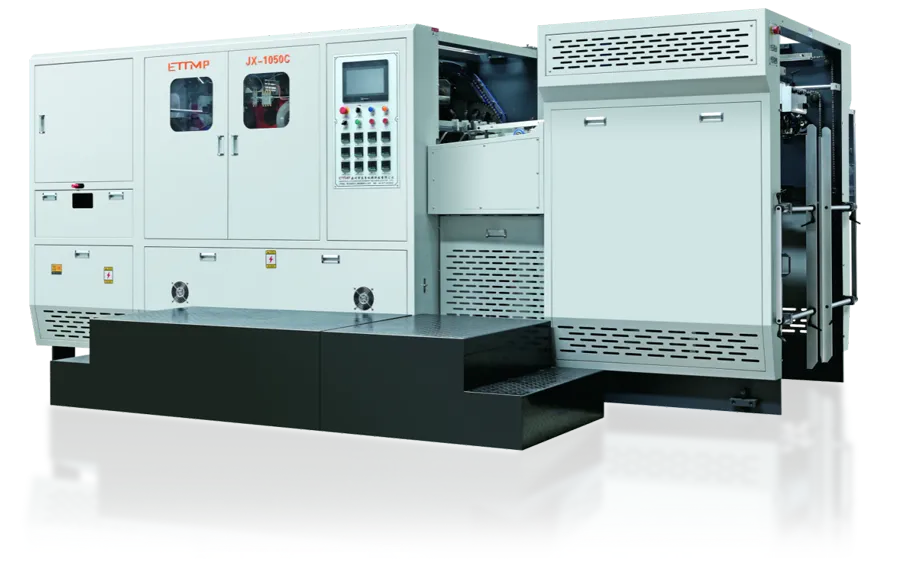
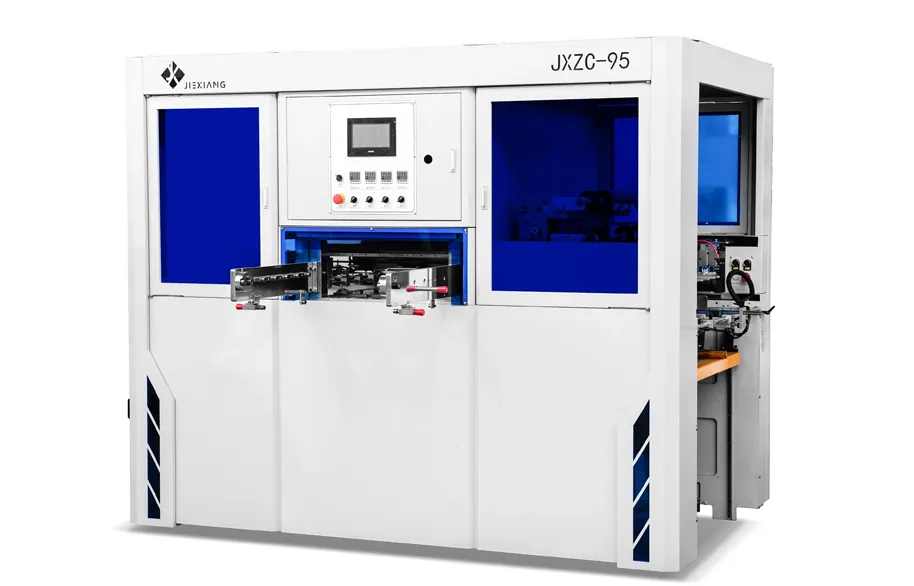
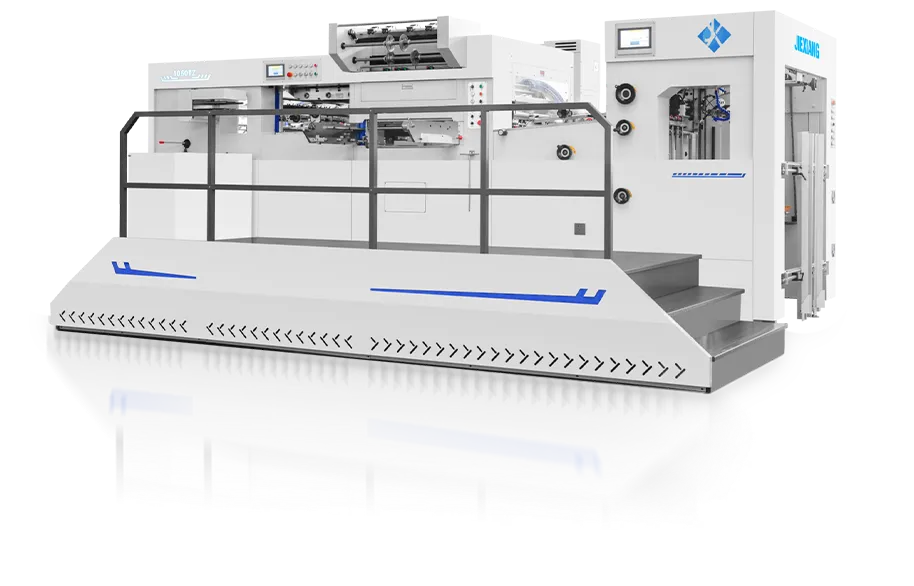
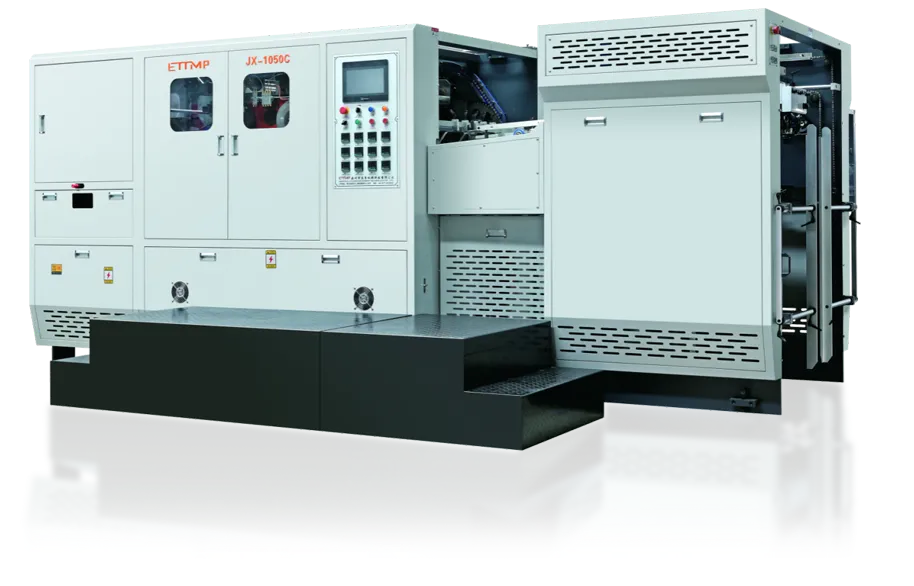
Here is where the conversation shifts from “machines” to workflows. Instead of thinking about individual units, think about unified finishing platforms that combine hot foil transfer, die‑cutting, creasing, and waste stripping in a single pass. This integration is what makes the dual‑purpose category genuinely different from legacy approaches.
What does that mean on the shop floor? Registration errors drop to ±0.1mm or better. Material handling between operations disappears. Floor space is consolidated. And perhaps most critically for today‘s volatile market: you can bid on jobs that require both heavy foil coverage and complex cut shapes without wondering if your equipment lineup can actually deliver.
The modular design of modern integrated systems also solves a silent killer of converter profitability: upgrade inability. Traditional machines often lock you into a fixed configuration—after three years, performance degrades, and retrofitting costs can approach 50% of the original purchase price. Integrated platforms designed with field‑replaceable drive components, expandable temperature control zones, and software‑upgradeable registration systems give you a growth path, not a dead end.
This is why brands like JIEXIANG have leaned into customized service configurations. Need specialized pressure rollers for thin synthetic stocks? A custom workbench extension for oversized packaging blanks? An energy‑saving module that cuts annual electricity costs by over 15%? When your equipment partner builds the machine with modularity baked in from day one, “custom” means rearranging proven building blocks—not waiting 10 months for a one‑off prototype.
How to Separate Real Capability from Marketing Fluff
When evaluating integrated finishing equipment, skip the glossy spec sheets for a moment. Ask three harder questions:
What is the real‑world registration consistency across different substrates? Foil thickness, paper grain direction, and humidity all affect stability. A machine that holds ±0.1mm on coated paper might drift to ±0.3mm on uncoated textured board. Look for manufacturers that publish substrate‑specific performance data.
How does the foil feed system handle complex artwork? If you are running multi‑panel packaging with foil in three separate positions on the same sheet, a standard longitudinal foil feed won‘t cut it. Vertical and horizontal foil feed systems—like the three‑vertical, two‑horizontal configuration used on advanced platforms—reduce foil waste, save changeover time, and enable simultaneous stamping across different sheet areas without ghosting or skipping.
What is the actual long‑term service cost? Many budget machines cheap out on servo motor quality, PLC logic controllers, and pneumatic components. In a production environment that runs 7,500 sheets per hour, component failure isn‘t an inconvenience—it’s a revenue crisis.
When Integrated Equipment Makes Business Sense
Let me be blunt: not every packaging shop needs a dual‑purpose integrated line. If your work is exclusively low‑foil, high‑volume carton cutting without complex registration requirements, a dedicated Die Cutting Machine remains efficient and cost‑effective. Similarly, if you only run very short digital foil runs with no die‑cutting, a standalone digital foil device might be the lean play.
But when your run lengths consistently exceed 10,000 sheets, your jobs require simultaneous foil coverage AND die‑cutting, and your clients are starting to demand holographic patterns, embossed logos, or complex cut‑out windows—the integrated approach stops being a “nice to have” and becomes a competitive necessity. The e‑commerce boom has pushed packaging personalization from a niche request to a mainstream expectation. The converters who can offer full‑finish packaging in a single pass will win the next wave of brand accounts.
The Smarter Path Forward
After watching packaging finishing evolve for the better part of a decade, I’ve seen one pattern hold true: the most profitable converters are not the ones with the most machines—they are the ones with the most integrated workflows. If you are serious about reducing your scrap rate below 1%, cutting job changeover time in half, and delivering the kind of luxury finish that commands 20% higher pricing, the decision is less about which machine to buy and more about whether your finishing line operates as a single thinking system.The finishing line that wins tomorrow is not the one with the most separate stations—it’s the one that turns foil stamping and precision cutting into a single, effortless motion.